From Tree to Heirloom
Process
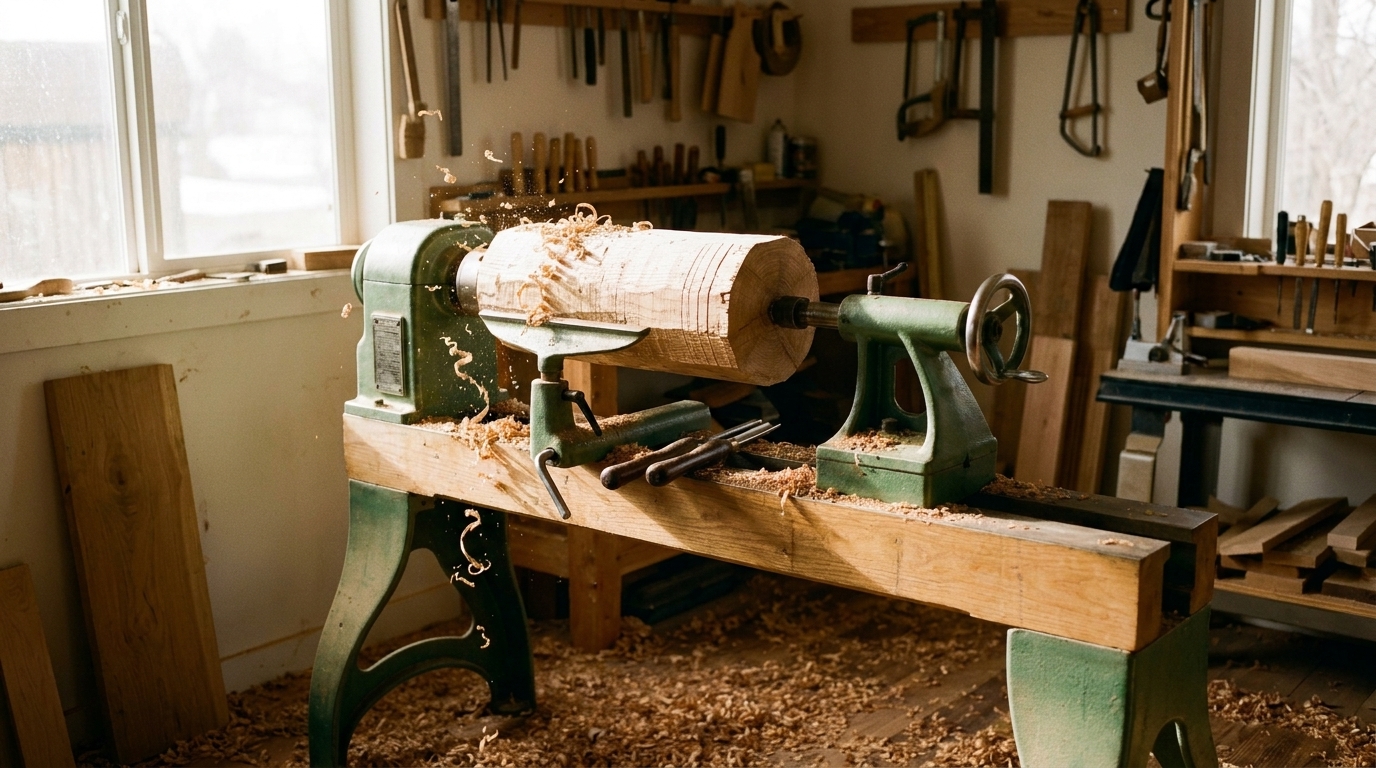
01
Sourcing
All timber is regional and storm-felled, salvage, or small-mill bought — never clear-cut stock. Each board is air-dried a minimum of two years before it is allowed near a bench.
02
Selection
Grain is chosen for the piece, not the piece for the grain. Table tops get book-matched slabs; chair legs get straight-grained stock for strength. The offcuts heat the workshop.
03
Joinery
Mortise and tenon, hand-cut dovetails, draw-bored pins. We use hide glue where glue is needed at all — it lets future repairs happen with heat and patience rather than a saw.
04
Finishing
Hardwax oil, three coats, hand-rubbed. Food-safe, repairable at home, and honest. No lacquer, no film finishes that crack and trap moisture.
05
Signing & delivery
The maker signs and dates the piece inside the back or underside. Local delivery is by us, in the van, with blankets; everything else ships in a crate made from our own offcuts.
06
Lifetime repair
Every piece is repairable by us, forever. Re-oiling, re-caning, drawer rebuilds — at cost, for as long as the studio exists. Which, plans suggest, is a long time.
The 100-year test.
We ask one question of every design: will this piece be worth repairing in 2126? If the answer is anything but yes, it does not leave the drawing board.
Caring for It
Oil, once a year, by hand
A tin of the hardwax oil we finish with ships with every piece. One coat every spring — thirty minutes with a lint-free cloth. The wood will tell you when: it stops glowing and starts looking tired.
Water is fine; standing water is not
Wipe spills when you see them. A cork coaster under the cold brew pitcher solves ninety percent of the ring marks we get asked about. Rings that do happen can be lifted with the tin and patience.
Sunlight is a slow edit
Walnut lightens and oak darkens with sun exposure — both move toward the same honeyed middle. Rotate items on a sideboard occasionally if you want an even tone; or don’t, and let the piece record your habits.
Drawers like to be slid, not slammed
Wooden runners swell slightly in humid months. If a drawer tightens in July, a candle rubbed on the runner solves it — an old boatwright trick that Ada insists on.
The repair promise
Send us a photo of the damage, honest description included. Repairs are at cost for the life of the studio — re-caning, re-oiling, drawer rebuilds, and the occasional apology for a drop-leaf that met a moving van.