The Studio
A practice of patience in a culture of speed.
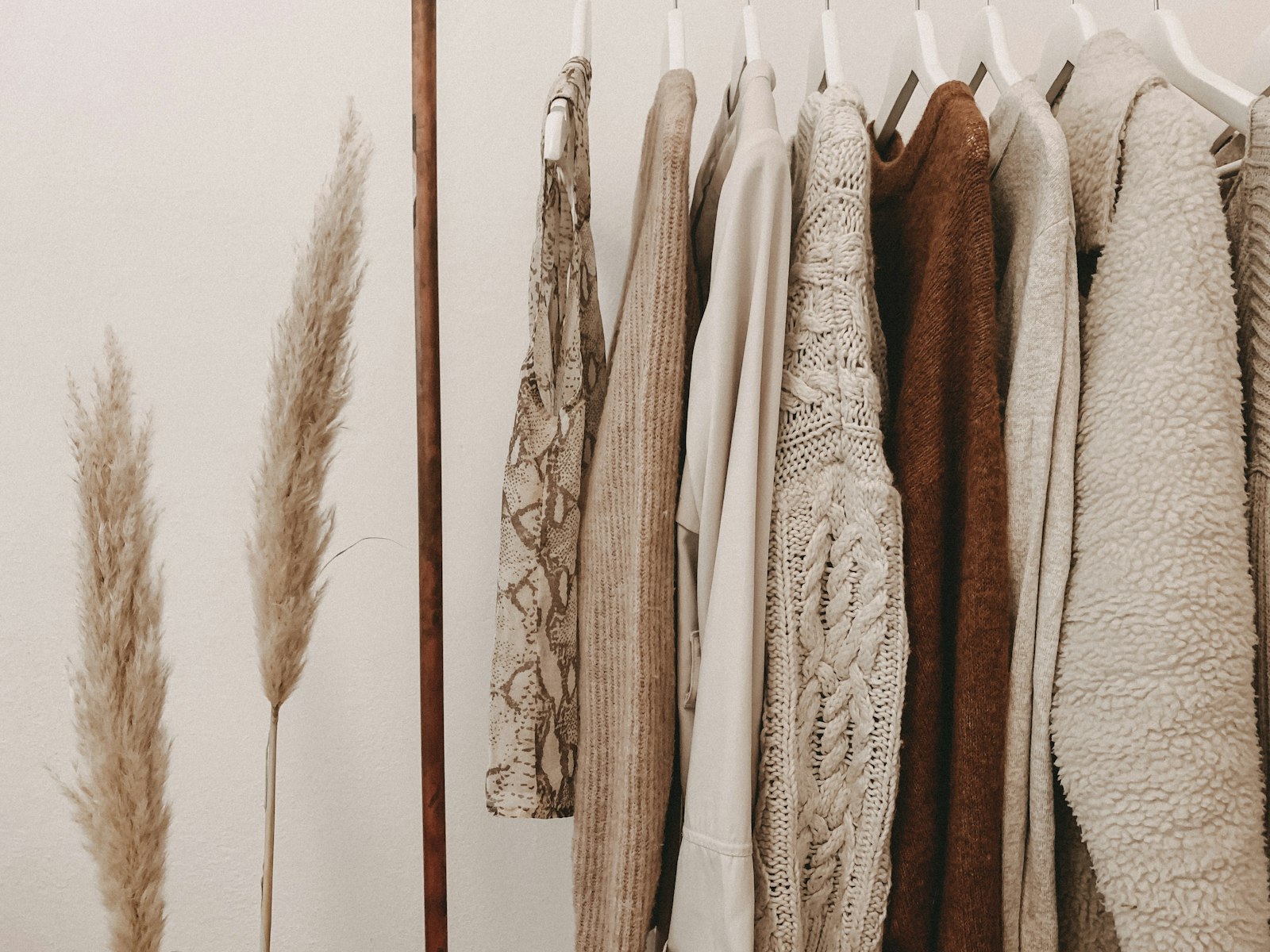 The cutting room, Vulkan 5 — 7:40 in the morning
Origins
Chapter I — The refusal
SNITT was founded in 2019 by Vega Lindqvist after a decade cutting for houses in Paris and Antwerp. The studio began with a refusal rather than a plan: no seasonal churn, no trend forecasting, no outsourced production. The first collection was nine coats. It took eleven months. Three are still worn daily by their original owners.
Chapter II — The room
The atelier occupies a former print works on the Akerselva river — the kind of room where the floor has opinions. Eleven people cut, drape, and finish every garment in-house. Collections are shown twice a year to a small list of editors, buyers, and clients; never streamed, and photographed only with the room’s consent.
Chapter III — The signature
The studio’s ethos fits in a sentence: clothing should be architected, not decorated. Every piece begins as a flat pattern, is prototyped three times minimum, and carries the initials of the cutter who made it — stamped inside the pocket bag, where only the wearer and the next owner will find it.
The People
Vega Lindqvist
Founder, Creative Director
Ten years cutting in Paris and Antwerp before opening the studio. Signs every pattern plate.
Ines Ferreira
Head of Tailoring
Trained at a Savile Row coat maker. Owns the floating shoulder and tolerates no debate about it.
Tove Eklund
Pattern Maker
Keeps the archive of every pattern since 2019 — four hundred plates, indexed by hand.
Marius Berg
Fabric & Materials
Spends four months a year at mills and farms. Bought the Trøndelag fleece flock’s entire clip.
Sofie Aas
Studio & Clients
Runs the two-hundred-name list, the appointments, and the rule that no visit is ever rushed.
The Cutting Room
Seven more, in silence
No music, no phones, no clocks — see Journal, No. 14. Quality control, not ceremony.
Method
Flat pattern first
Nothing is draped by eye until the flat pattern has argued its case. Paper is cheap; cashmere is not. Every alteration is dated and kept — the archive now holds four hundred plates.
Three prototypes, minimum
The first toile learns, the second corrects, the third confirms. If the third still argues, there is a fourth. The garment ships when the pattern stops changing, never before.
Fabric before sketch
We buy cloth before we draw. A mill’s best bolt dictates what the collection wants to be; sketches drawn first only flatter the mood board.
Shown, never streamed
Two presentations a year, by invitation, in the room where the clothes were cut. No livestream, no front-row influencer seating, no photographs without consent.
Recognition
- Nordic Design Prize2024
- Woolmark Prize — Nominee2023
- Hyères Festival — Finalist2021