IÑIGO SALAS / ABOUT
I wait longer than is polite, then take one picture.
I started at 22 with a borrowed Nikon FM2 and a press ID for a community paper in Quezon City, where I learned that the story is almost always happening one stall to the left of where the press corps is standing.
Seven years of that, then Chicago, then Paris on a residency I wasn't qualified for, then home. The work got quieter each move — less spectacle, more crosswalks. These days I shoot assignments for magazines and families, develop everything myself, and scan nothing until a roll has sat in a drawer for a week.
I don't stage, don't composite, and don't generate. If a frame needs fixing, the fix is going back to the street.
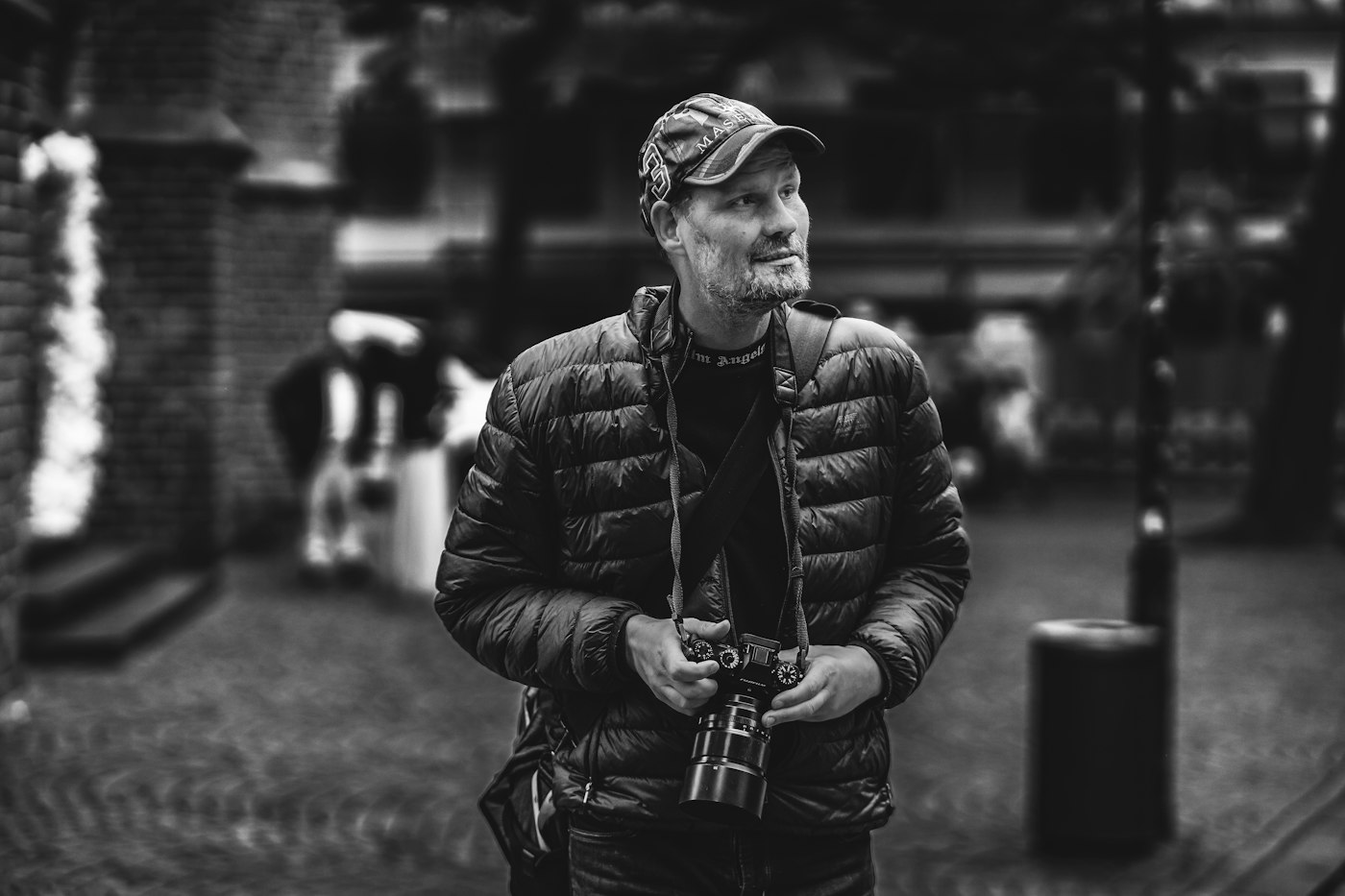
01 · HOW I WORK
Days, not hours
Assignments start with a recon walk. I quote by the day because the picture that matters is usually the last roll.
02 · THE DARKROOM
Wet prints, Wednesdays
Everything is developed and contact-sheeted in the Diliman studio. Archival fiber prints, selenium-toned on request.
03 · LICENSING
Clear terms, no creep
Usage is written per territory and per year. Stock sites get nothing; the archive stays the archive.
THE KIT
- Leica M6 + 35mm Summicronthe camera, most of the time
- Contax 139 + 50mm Planarfor when the M6 is too precious
- Tri-X 400, HP5+pushed to 1600 on bad days
- Nikon FM2borrowed since 2015, never returned
TRUSTED BY
- Rappler
- National Geographic Traveller
- CCP Foundation
- Peninsula Commission
- Ateneo Center for Urban Research
- BusinessWorld
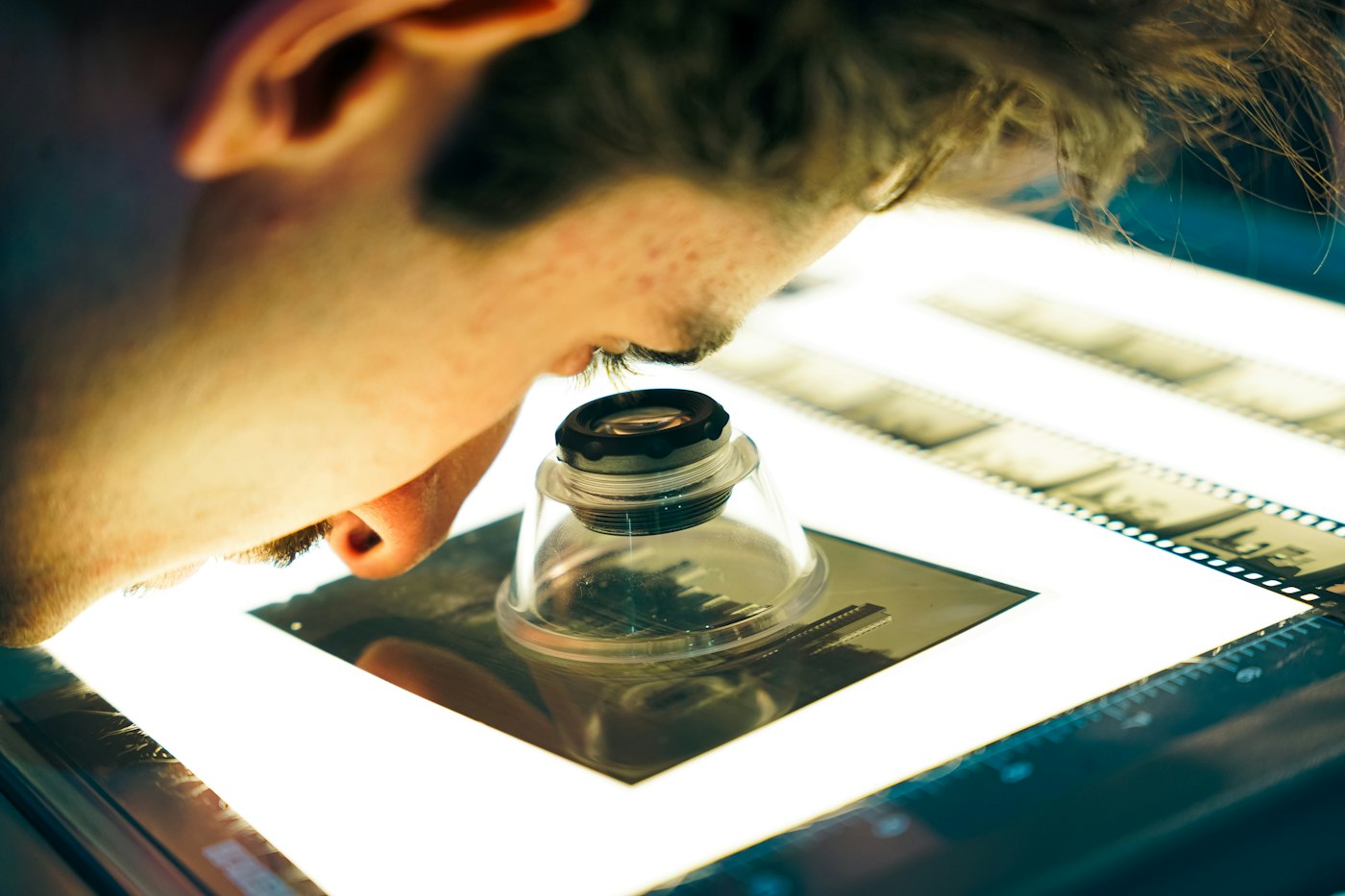
THE LOUPE STAGE · EVERY FRAME PASSES THIS DESK